
Why Mental Health is at its Worst in 2026
Global Reasons and Solutions
Key Takeaways: (TL;DR)
- Over 1 billion people worldwide live with mental health conditions. Anxiety and depression lead the crisis, costing the global economy over $1 trillion annually in lost productivity alone.
- Economic instability, inflation, job insecurity, and global conflict are driving chronic stress across low-, middle-, and high-income countries alike.
- Social media saturation and digital overload continue to accelerate anxiety and depression, particularly among young people – with rates rising sharply since the pandemic.
- Loneliness has become a global epidemic, intensified by post-COVID disconnection, urban isolation, and fragmented communities.
- Workplace and academic burnout are surging under relentless performance pressure, rapid AI disruption, and “quiet burnout” that often goes unnoticed.
- Access to care remains critically unequal: up to 75% of people in low- and middle-income countries receive no treatment, due to workforce shortages and underfunding (often less than 2% of national health budgets).
- Climate anxiety, displacement, rising conflict, and over-medicalisation are compounding the strain – turning a crisis into a systemic emergency.
Table of Contents
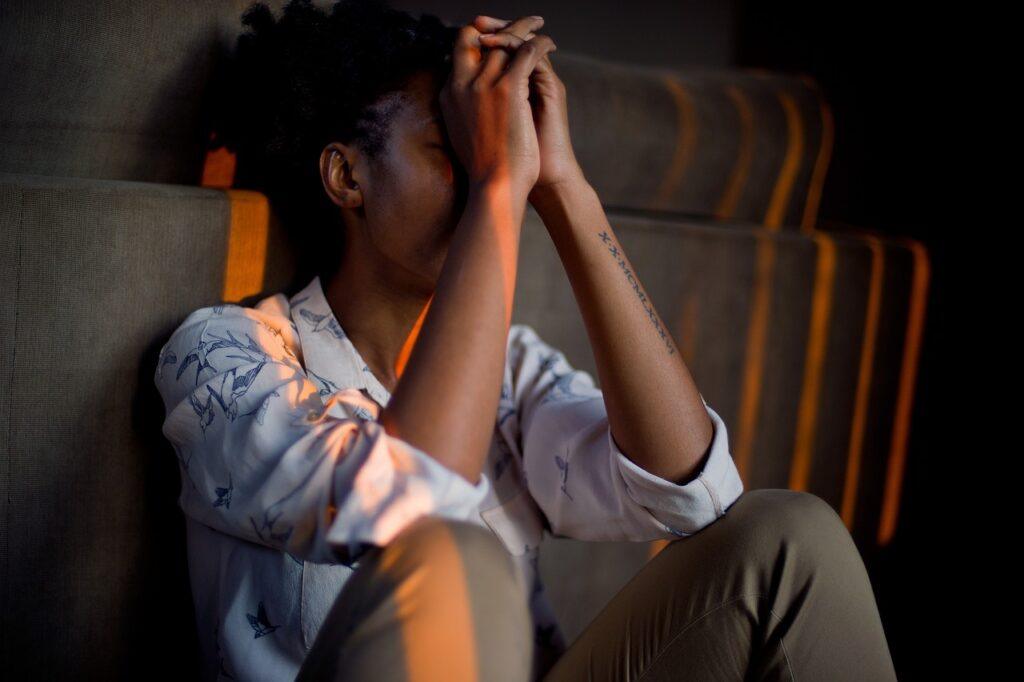
Mental Health is a major concern in 2026
Something is not okay.
In 2026, mental health isn’t quietly declining – it’s deteriorating at scale. Over 1 billion people worldwide are living with anxiety, depression, burnout, and chronic stress. And the numbers are still climbing.
This is no longer a “personal problem.” It’s a global pattern.
The pandemic may have ended, but its psychological aftershocks haven’t.
Inflation keeps stretching households thin. AI is reshaping industries faster than people can adapt. Job insecurity, political instability, climate anxiety, and digital overload are compounding – creating a world that feels constantly switched on and emotionally unsafe.
And here’s the uncomfortable truth:
Many of us are trying to cope with a nervous system that was never designed for this level of pressure.
This article explores the major global forces driving today’s mental health crisis – drawing on WHO and UNICEF data – and why understanding the bigger picture matters. Because this isn’t about weakness.
It’s about context.
And context changes everything.

Economic Uncertainty and Financial Stress
It’s hard to feel mentally stable in an unstable world.
Across the globe, inflation has outpaced wages. Housing costs have soared. Job markets feel volatile. Entire industries are being reshaped by automation and AI. Even people who are employed feel replaceable.
That low-grade anxiety? It’s not random.
Financial insecurity keeps the nervous system on alert. When survival feels uncertain – even subtly – the body responds with chronic stress. And chronic stress, over time, becomes anxiety, burnout, irritability, and depression.
In low- and middle-income countries, the pressure is sharper. Economic slowdowns have limited investment in health and education, widening inequality. But even in high-income regions, rising living costs and debt burdens are quietly eroding psychological safety.
Globally, anxiety and depression now cost over US$1 trillion a year in lost productivity. That number isn’t just economic – it reflects millions of people trying to function while carrying invisible weight.
When the future feels unpredictable, the mind struggles to rest.
And in 2026, unpredictability has become the norm.


This often leads people to question themselves.
“Why do I feel worse now that I’m trying to heal?”
“Shouldn’t this be helping by now?”
What’s rarely talked about is that healing doesn’t begin by making you feel better – it begins by making you feel more.
When you stop suppressing, numbing, or distracting yourself, your inner world becomes louder. Sensations, emotions, and thoughts that were once pushed aside start to surface. Not because you’re doing something wrong, but because they finally have space to exist.
Feeling uncomfortable doesn’t mean healing isn’t working. It often means you’ve stopped running.
The Impact of Social Media and Digital Overload
We were never meant to absorb this much information.
In 2026, the average person consumes more news, opinions, images, and comparisons in a single day than previous generations did in weeks. Our phones wake us up. They follow us to work. They sit beside our beds at night.
There is no psychological off-switch.
For adolescents and young adults, the impact has been especially severe. Depression and anxiety rates have climbed steadily since the early 2010s – tracking almost perfectly with the rise of always-on social media. Constant exposure to curated lives fuels comparison. Comparison fuels inadequacy. And inadequacy quietly reshapes identity.
But it’s not just body image or popularity metrics.
It’s a global crisis in your pocket. War updates before breakfast. Economic panic at lunchtime. Climate fear before bed. The nervous system interprets this constant stream as an ongoing threat.
Connection was the promise.
Overstimulation became the reality.
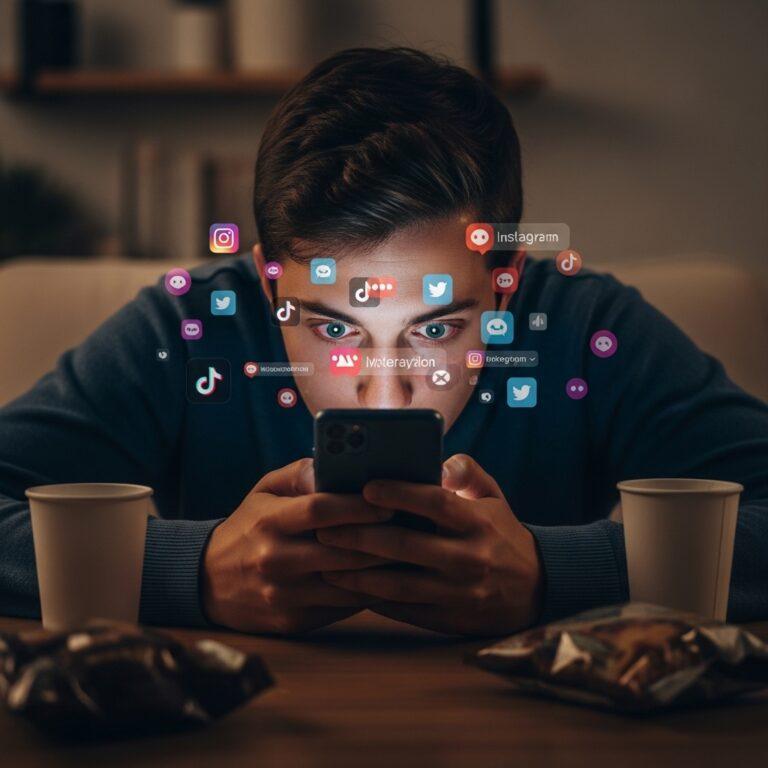
While digital platforms offer community and opportunity, excessive use correlates with higher rates of anxiety, sleep disruption, low self-esteem, and emotional exhaustion across cultures.
We are more connected than ever – and more mentally overwhelmed than ever.
And that contradiction is not accidental.
Smartphones and social media have reshaped mental health, particularly for youth.
Depression rates among adolescents have risen sharply since the early 2010s, with constant exposure to comparisons, body image pressures, and always-on culture fueling anxiety and low self-esteem worldwide.
Gen Z reports feeling overwhelmed by global news and events, eroding well-being.
While social media platforms offer connection, excessive use correlates with higher mental health issues across cultures, making digital balance a universal need in 2026.
Social Isolation, Loneliness, and the Post-Pandemic Aftermath
The pandemic didn’t just disrupt routines.
It disrupted belonging.
Lockdowns fractured relationships. Milestones were missed. Grief went unprocessed. And even as restrictions lifted, something quieter lingered: disconnection.
In 2026, many people are still struggling to rebuild meaningful bonds. Urbanisation, migration, remote work, and increasingly individualistic lifestyles have thinned out community ties. We live closer together – yet feel further apart.
Loneliness is no longer just an emotional state. It’s a public health issue.
Research now links chronic isolation to higher rates of depression, anxiety, substance misuse, cardiovascular illness, and even premature mortality.
Young people report some of the highest loneliness levels, despite being the most digitally connected generation in history.
That’s the paradox.
We have access to everyone – but feel deeply unseen.
And when belonging feels unstable, the mind doesn’t feel safe.
Barriers to Mental Health Care Access
Even as mental health declines, access to support hasn’t kept up.
Over 1 billion people worldwide live with mental health conditions – yet in many low- and middle-income countries, up to 75% receive no treatment at all. Some regions have fewer than one mental health professional per million people.
On average, governments allocate less than 2% of health budgets to mental health.
That gap isn’t just a statistic.
It’s millions of people navigating distress alone.
Stigma still silences conversations.
High out-of-pocket costs make therapy inaccessible. Rural areas and conflict zones face severe workforce shortages. Even in wealthier countries, long waiting lists and fragmented systems leave people falling through the cracks.
And when help feels out of reach, symptoms escalate.
The crisis isn’t only about rising anxiety and depression.
It’s about a system that wasn’t built to absorb this level of need.

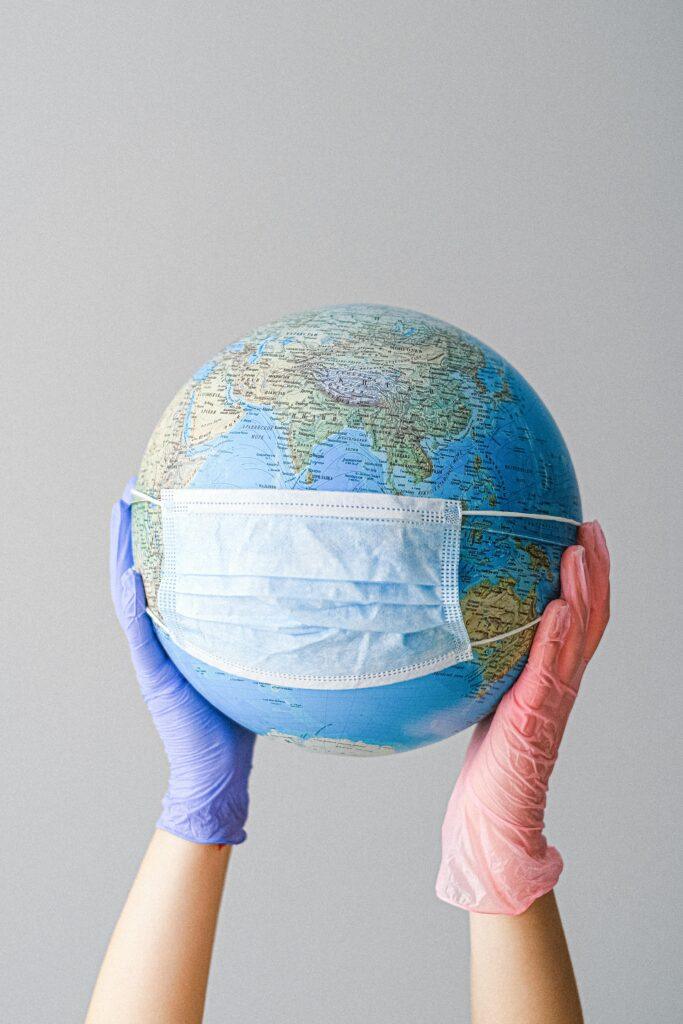
Global and Emerging Pressures Intensifying the Crisis
As if the existing strain wasn’t enough, new pressures continue to pile on.
Armed conflicts displace millions, fracturing families and overwhelming fragile health systems. Climate anxiety is rising – particularly among young people – as environmental instability reshapes how they imagine the future.
Rapid AI and technological shifts are transforming how we work, relate, and identify ourselves. Entire roles disappear. New ones demand constant upskilling. The pace rarely slows.
At the same time, normal human emotions are increasingly pathologised. Feeling grief, uncertainty, or existential worry in a turbulent world is sometimes labelled as dysfunction – creating confusion between distress and disorder.
Add widening inequality to the mix, and you don’t just have isolated stressors.
You have a layered psychological load.
In 2026, mental health is no longer influenced by one dominant factor. It’s shaped by overlapping global forces that reinforce each other – demanding responses far beyond individual resilience.
This Isn’t Just a Crisis - It’s a Turning Point
The mental health crisis of 2026 did not appear overnight.
It grew from overlapping global pressures – economic strain, digital overload, loneliness, burnout, underfunded systems, and accelerating change.
Each factor alone is heavy.
Together, they create sustained psychological pressure at a scale we have never seen before.
But here’s the shift:
Awareness is rising. Conversations are louder. Stigma is slowly weakening. More people are recognising that mental health is not a private weakness – it is a collective responsibility.
The crisis is real.
But so is the opportunity.

Policy reform, workplace redesign, community rebuilding, ethical tech development, and accessible care models are no longer optional – they are necessary.
At the same time, individuals can begin reclaiming agency in smaller, meaningful ways: regulating nervous systems, building micro-communities, setting digital boundaries, and seeking support without shame.
This moment demands both systemic change and personal courage.
And both are possible.
This Is a Systemic Crisis - Not a Personal Failure.
If you’re struggling, please don’t carry it alone.
Reach out to a trusted professional, local helpline, or community resource. In South Africa, you can contact SADAG on 0800 567 567. If you’re elsewhere, look for WHO-recommended crisis and mental health services in your region.
Asking for help is not failure. It’s regulation.
If this article resonated, share it. Start a conversation. Check in on someone. Subscribe to Bee Transformed for grounded insights on healing and growth in a world that feels overwhelming.
Your story matters.
And collective awareness is how change begins.
FAQS
Ask Bee Anything
What are the main global signs of worsening mental health in 2026?
Persistent anxiety, rising depression rates, emotional burnout, chronic loneliness, sleep disruption, and social withdrawal are among the clearest global indicators. Many people report feeling constantly “on edge,” overwhelmed, or emotionally numb.
These patterns are often linked to economic stress, digital overload, global instability, and reduced social connection. When stress becomes chronic and recovery is limited, mental health symptoms tend to intensify.
How can I improve my mental health amid these worldwide challenges?
Start small and stay consistent.
Build daily routines that regulate your nervous system – such as movement, time outdoors, structured sleep, and limiting constant news or social media exposure. Prioritise real-world connection where possible, even if it’s just one safe person.
Practices like journaling, mindfulness, breathwork, or structured reflection can help you process stress instead of suppressing it. Most importantly, seek support early rather than waiting for things to escalate.
Resilience is built through small, repeatable habits – not dramatic life overhauls.
Is social media truly harmful globally?
Social media itself isn’t inherently harmful – but excessive or unregulated use is associated with higher rates of anxiety, depression, sleep disruption, and low self-esteem worldwide, particularly among adolescents and young adults.
The key factor is dosage and boundaries.
Digital platforms can provide connection, education, and support networks. However, constant comparison, algorithm-driven outrage, and 24/7 exposure to global crises can overwhelm the nervous system.
Mindful, intentional use makes a significant difference.
Where can I find mental health resources in 2026?
Global organisations like the World Health Organization (WHO) and UNICEF provide updated guides, crisis resources, and community-based tools. Many countries also offer national mental health helplines and public support services.
In South Africa, SADAG (0800 567 567) provides telephonic support and referrals.
If professional therapy is inaccessible, look for community programs, digital mental health platforms, or structured self-help tools such as WHO’s Step-by-Step program.
The most important step is not navigating it alone.
Why does mental health feel worse now than before the pandemic?
Many people report feeling more anxious, disconnected, or emotionally exhausted compared to pre-2020. While the pandemic triggered widespread stress, its psychological effects did not simply disappear when restrictions ended.
Ongoing economic uncertainty, digital overload, job instability, rising living costs, and global conflict have layered on top of existing stress. For many, the nervous system has remained in prolonged survival mode – without adequate recovery.
What feels like “worsening mental health” is often cumulative, unprocessed stress.
Is mental health actually getting worse worldwide?
Yes – global data shows rising rates of anxiety, depression, burnout, and loneliness across age groups and regions.
Young people, in particular, report significantly higher levels of distress compared to a decade ago.
The World Health Organization (WHO) has identified mental health as one of the fastest-growing global health concerns. While awareness has improved, access to care remains uneven, and systemic stressors continue to intensify.
This doesn’t mean recovery is impossible – but it does mean the trend is real.
Disclaimer:
Everything I share through Bee Transformed comes from a blend of my certified counseling training (which I was blessed with by Tannie Elmarie and Oom Izak, from Eljada Mission) and my own lived journey of recovery and transformation.
I am a trauma-informed, certified counselling practitioner and life coach, not a licensed therapist or medical professional.
The resources, stories, and strategies provided here are designed to educate, encourage, and inspire, but they should not be used as a substitute for professional diagnosis, therapy, or medical care.
If you are struggling with your mental health, addiction, or trauma, I encourage you to reach out to a qualified healthcare professional or local support service.
You don’t have to walk this path alone.
— Bee Burger
Founder of Bee Transformed, Certified Counselling Practitioner, and Life Coach. Saved by grace.
If you need support, contact Lifeline SA at 0861 322 322 or SADAG at 0800 567 567.