
Why Healing Feels Worse Before It Feels Better
And why that doesn’t mean you’re doing it wrong
Key Takeaways:
- Healing can feel harder before it feels lighter – and that’s normal.
- Feeling worse doesn’t mean you’re failing; it often means awareness is increasing.
- Old coping patterns can resurface because they once helped you survive.
- Discomfort during healing is often a sign of adjustment, not regression.
- Healing works best when it’s slow, supported, and gentle.
Table of Contents
If healing feels harder than you expected
If you’ve started healing and found yourself feeling more tired, more emotional, or more unsettled than before, you’re not imagining it – and you’re not doing anything wrong.
This is one of the most confusing parts of the healing journey. You finally decide to take care of yourself, to face things honestly, to stop avoiding what hurts… and instead of feeling lighter, everything feels heavier.
Many people reach this point and quietly think, “I was coping better before.” Some even wonder if healing was a mistake.
But feeling worse doesn’t mean you’re failing. Often, it means something important is shifting.
This post explains why healing can feel uncomfortable before it feels freeing – and why that experience is far more common than we’re ever told.
When healing doesn’t feel like relief
Most of us begin healing with a quiet hope that things will finally feel lighter.
We imagine more peace, more clarity, more motivation – maybe even a sense of relief we’ve been craving for a long time. So when healing actually brings exhaustion, emotional waves, or a sense of inner discomfort, it can feel deeply discouraging.
Instead of relief, you might notice:
- heightened emotions
- unexplained tiredness
- restlessness or irritability
- a feeling of being “off” or unsettled

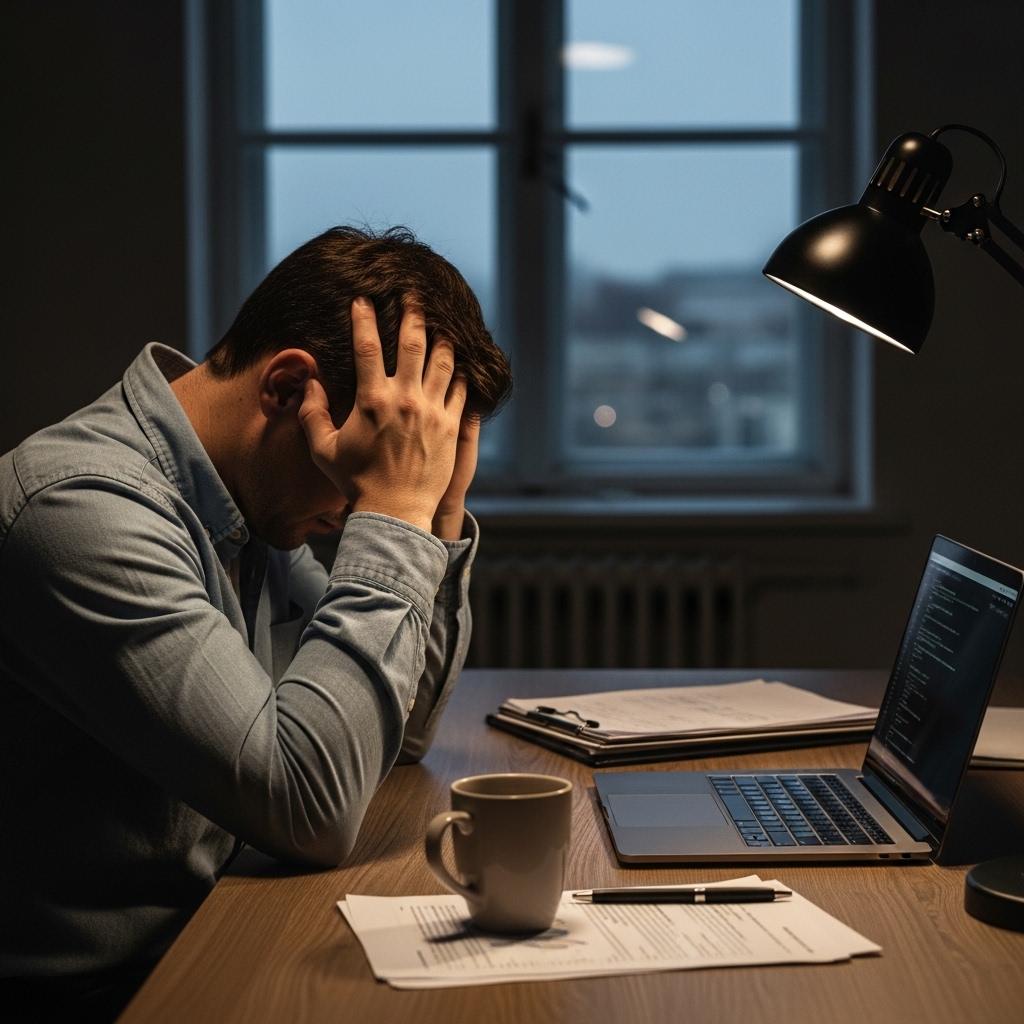
This often leads people to question themselves.
“Why do I feel worse now that I’m trying to heal?”
“Shouldn’t this be helping by now?”
What’s rarely talked about is that healing doesn’t begin by making you feel better – it begins by making you feel more.
When you stop suppressing, numbing, or distracting yourself, your inner world becomes louder. Sensations, emotions, and thoughts that were once pushed aside start to surface. Not because you’re doing something wrong, but because they finally have space to exist.
Feeling uncomfortable doesn’t mean healing isn’t working. It often means you’ve stopped running.
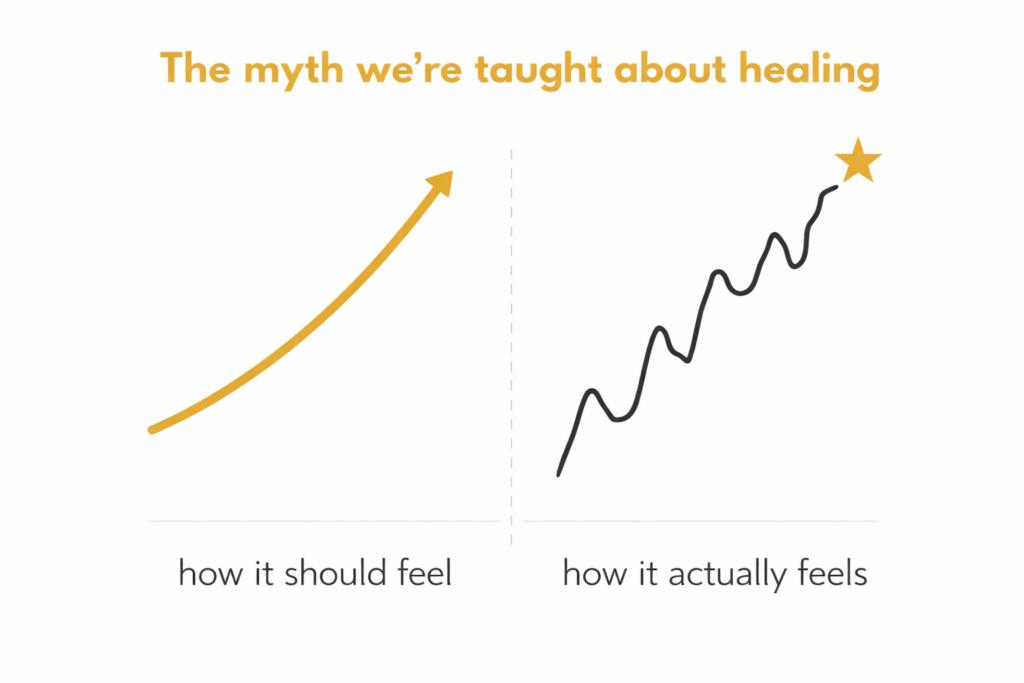
The myth we’re taught about healing
We’re often taught – directly or indirectly – that healing should feel empowering, uplifting, and motivating.
That once you “decide” to heal, things should start improving fairly quickly. And if they don’t, the assumption is that something must be wrong with you, your mindset, or your commitment.
This belief quietly creates shame.
It convinces people that struggling means failing.
That discomfort means regression.
That needing rest means weakness.
But healing was never meant to be a constant upward climb.
In reality, healing often begins by dismantling the systems that once kept you functioning.
Coping mechanisms that helped you survive – even unhealthy ones – don’t disappear without leaving a gap behind. And that gap can feel frightening before it feels freeing.
Healing doesn’t rush in with answers. It slows you down long enough for truth to emerge.
And truth can feel heavy before it feels clarifying.
What’s actually happening beneath the surface
When healing begins to feel uncomfortable, it’s easy to assume something is going wrong internally.
But very often, what’s happening isn’t psychological failure – it’s physiological adjustment.
For a long time, your nervous system may have been operating in survival mode. When life felt unsafe, overwhelming, or unpredictable, your body learned ways to protect you: staying alert, shutting down, numbing out, or constantly pushing through.
These responses weren’t flaws – they were intelligent adaptations.
When you begin healing, you’re no longer living solely in survival.
And that shift can feel destabilising at first.

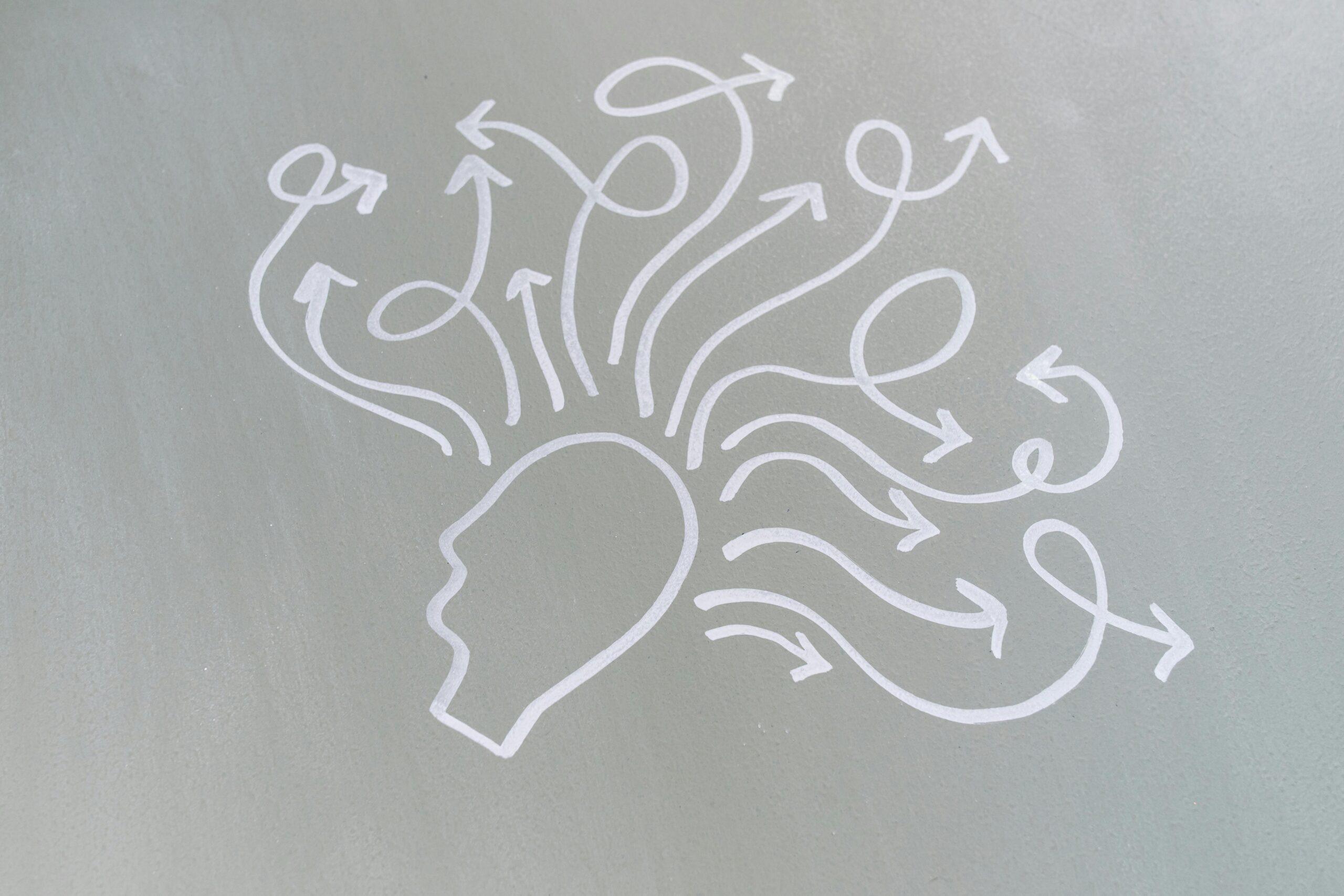
As the body senses more safety, it loosens its grip on constant defence.
Emotions that were once suppressed begin to surface. Sensations return. Awareness increases. What was once muted comes back online.
This can feel like:
- emotional intensity
- vulnerability
- fatigue
- heightened sensitivity
Not because you’re getting worse – but because you’re becoming more present.
Your nervous system is learning a new way to exist. And learning anything new takes energy.
Healing isn’t about forcing calm. It’s about slowly teaching your body that it no longer has to stay braced for impact.
Why old coping patterns suddenly feel tempting again
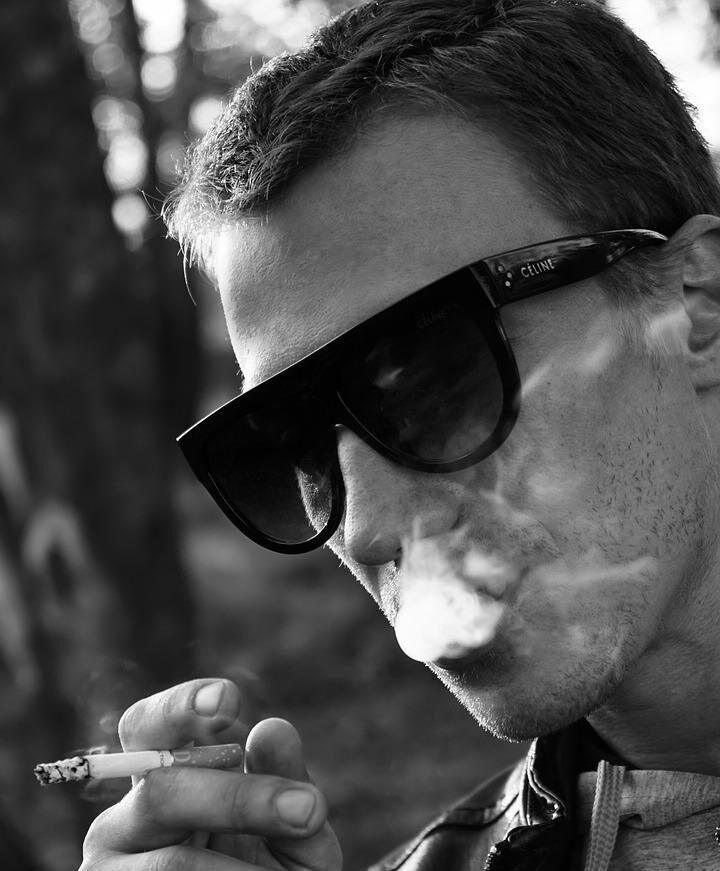
One of the most confusing parts of healing is the sudden pull toward old habits – even ones you know hurt you.
You might find yourself craving distraction, numbing, chaos, or familiarity. You might think, “Why am I wanting to go back when I know how far I’ve come?”
This isn’t self-sabotage.
It’s your nervous system reaching for what it knows.
Old coping patterns existed for a reason. They brought relief, predictability, or a sense of control during times when you had very little of it. Even when those patterns were harmful, they were familiar – and familiarity feels safe to the brain.
Change, even positive change, can feel threatening at first.
Your body doesn’t yet recognise calm as safe. It only recognises what it has survived before.
Wanting to return to old ways doesn’t mean you want to be stuck. It means you’re learning to tolerate a new state of being – one without the constant noise of survival.
With time, patience, and support, your nervous system learns that safety doesn’t have to come from harm.
And the pull toward old patterns begins to soften.
The grief no one warns you about
One of the quiet truths about healing is that it often comes with grief – even when nothing “bad” is happening anymore.
You may grieve the years spent in survival mode. The versions of yourself that coped the only way they knew how. The time, energy, or safety you wish you’d had sooner.
You might even grieve coping mechanisms that once brought comfort – not because they were healthy, but because they were familiar.
Letting go of them can feel like losing a part of yourself, even when you know you’re moving forward.
This grief can feel confusing.
- Why am I sad when I’m healing?
- Why do I miss something that hurt me?
But grief doesn’t mean you’re regressing. It means you’re integrating.
You’re acknowledging what it cost you to survive – and that deserves tenderness, not judgment. Healing asks you to honour what was, even as you create space for what can be.

What helps when healing feels heavy
When healing feels overwhelming, the answer isn’t to push harder – it’s to slow down.
Healing doesn’t require constant effort. It requires enough safety.
A few gentle things that can help:
- Let go of timelines. There is no schedule for becoming whole.
- Reduce comparison. Your nervous system has its own pace.
- Create small pockets of safety – routine, rest, quiet, consistency.
- Talk to someone who feels steady and non-judgmental.
- Take breaks when you need them, without quitting the process entirely.
You don’t need to fix everything at once. You don’t need to understand every emotion to move forward.
Sometimes the most healing thing you can do is pause, breathe, and remind yourself that you’re allowed to take this one step at a time.
You’re not going backwards
If healing feels hard right now, let this be the reminder you didn’t know you needed:
- You’re not broken.
- You’re not weak.
- And you’re not going backwards.
Healing doesn’t arrive as instant peace.
It often arrives as honesty – the kind that asks you to slow down, feel more, and meet parts of yourself you once had to ignore just to survive.
Feeling worse doesn’t mean you should stop. It may mean your body and mind finally feel safe enough to let things surface.
Go gently. Take breaks when you need to. Ask for support if it feels right. You don’t have to rush this process – and you don’t have to walk it alone.
Sometimes healing doesn’t feel good at first. Sometimes, it just feels real.
And real is where change begins.
FAQS
Ask Bee Anything
Is it normal to feel worse after starting healing or therapy?
Yes. Many people feel more emotional, tired, or unsettled when they begin healing. This often happens because you’re becoming more aware of feelings and sensations that were previously suppressed or numbed. Feeling worse doesn’t mean healing isn’t working – it can mean your system is adjusting.
Does feeling worse mean I’m doing healing wrong?
No. Healing isn’t a straight line, and discomfort doesn’t mean failure. It often means old coping mechanisms are loosening and deeper awareness is developing. This phase is common, even though it’s rarely talked about.
Why do old habits or coping patterns feel tempting again during healing?
Old coping patterns once helped you survive. When healing brings discomfort, your nervous system may reach for what feels familiar, even if it wasn’t healthy. This isn’t self-sabotage – it’s a learned response that softens with time and support.
How long does the “feeling worse” phase last?
There’s no fixed timeline. Everyone’s nervous system heals at its own pace. For some, this phase is brief; for others, it comes and goes in waves. Healing isn’t about pushing through – it’s about moving gently and consistently.
What can I do when healing feels overwhelming?
Slow down. Reduce pressure and comparison. Focus on rest, routine, and small moments of safety. Talking to a steady, non-judgmental person can also help. You don’t need to fix everything at once to keep moving forward.
Should I stop healing work if it feels too hard?
It’s okay to pause without quitting. Taking breaks doesn’t mean going backwards. If things feel unmanageable, it can be helpful to seek additional support from a qualified professional who can help you pace the process safely.
Disclaimer:
Everything I share through Bee Transformed comes from a blend of my certified counseling training (which I was blessed with by Tannie Elmarie and Oom Izak, from Eljada Mission) and my own lived journey of recovery and transformation.
I am a trauma-informed, certified counselling practitioner and life coach, not a licensed therapist or medical professional.
The resources, stories, and strategies provided here are designed to educate, encourage, and inspire, but they should not be used as a substitute for professional diagnosis, therapy, or medical care.
If you are struggling with your mental health, addiction, or trauma, I encourage you to reach out to a qualified healthcare professional or local support service.
You don’t have to walk this path alone.
— Bee Burger
Founder of Bee Transformed, Certified Counselling Practitioner, and Life Coach. Saved by grace.
If you need support, contact Lifeline SA at 0861 322 322 or SADAG at 0800 567 567.